

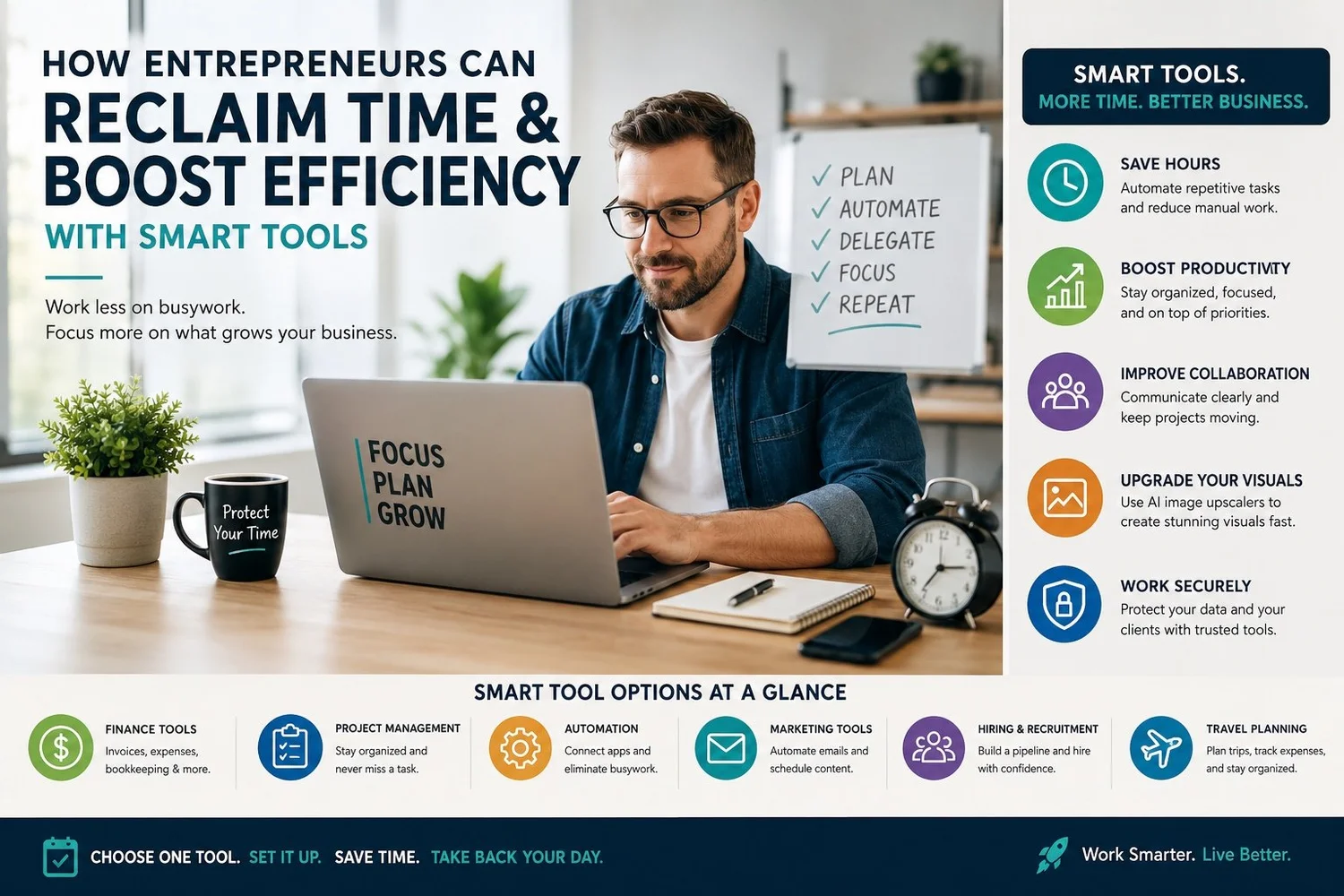
Use this as a quick productivity tool evaluation: pick one “core” tool that removes daily friction, then add one integration that eliminates a repeatable task. A simple cost-benefit analysis keeps the focus on time saved versus complexity added. Once you see your best-fit path, the next step feels straightforward.
Smart-Tool FAQs: Security, Setup, and Real ROI
Q: What if a time-saving app puts my client data at risk?A: Start with basics you can verify: encryption, role based access, and strong login protection like 2FA or SSO. Limit permissions by job, and keep sensitive files in one approved system rather than scattered across tools. If you cannot find a clear security page or export your data easily, treat that as a dealbreaker.
Q: How do I make sure it works on both mobile and desktop?A: Check for feature parity, not just “has an app,” because some mobile versions only support viewing. Before you subscribe, run one real workflow on your phone and laptop: capture a task, attach a file, assign it, and close it. Also confirm offline access and notification controls so the tool helps instead of interrupts.
Q: When is the best time to onboard without losing a week of productivity?A: Pick a lighter week and block 60 to 90 minutes for setup plus 15 minutes daily for five days. Import only one project or pipeline first, then expand once the structure feels natural. A small pilot keeps momentum and reduces the urge to abandon the tool.
Q: Can user reviews actually predict whether I will save time?A: Yes, if you filter for reviews from businesses your size and look for repeated mentions of “setup time,” “automations,” and “support quality.” Favor reviews that describe before and after workflows, not just star ratings. Treat one dramatic review as a story, and recurring patterns as a signal.
Q: Should I worry that monitoring or tracking features will hurt team trust?A: It can if it feels secretive, so set a written policy that explains what is tracked and why, and focus on outcomes not surveillance. The fact that 76% of North American companies use monitoring tools does not mean you have to use them aggressively. Use opt in training, transparent dashboards, and clear boundaries to keep the tool supportive.
Lock In Real Free Time With One Smart Tool Today
Running a business shouldn’t mean spending every day chasing tasks, toggling between apps, and watching the calendar fill itself. The path to entrepreneurial efficiency gains is simple: choose a few business growth tools that remove friction, set them up thoughtfully, and let consistent systems carry the load. Done well, technology adoption encouragement turns into real time-saving strategies and work-life balance improvements, more focused work hours, fewer loose ends, and cleaner decisions. The right tool doesn’t add work; it gives time back.